
How to choose the right mobility scooter for adults based on weight?
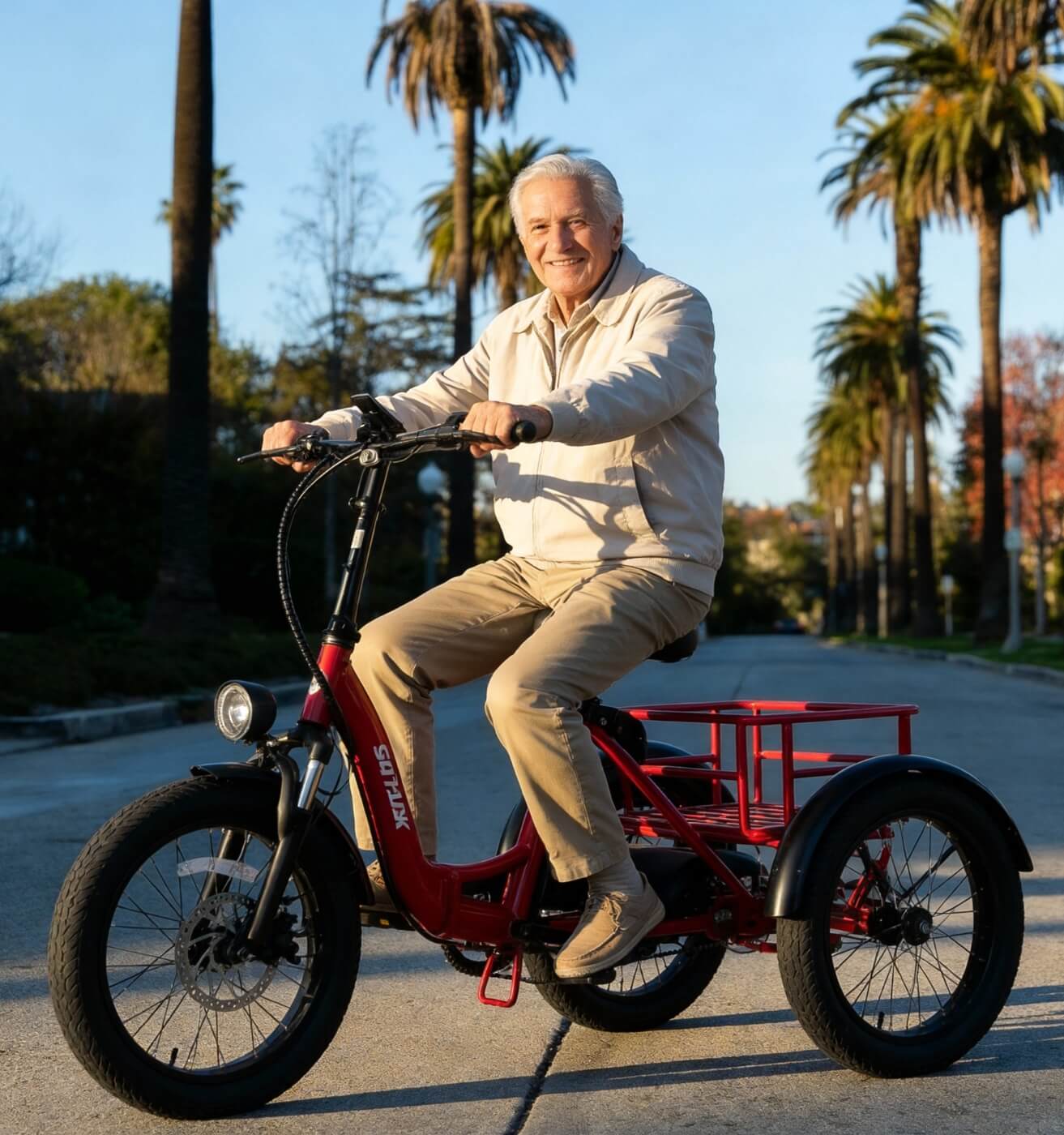
Selection of a mobility scooter for adults requires aligning user mass with a specific chassis class, as exceeding a 300 lb threshold on standard 250W transaxles increases motor failure rates by 42% within 18 months. Evaluation metrics focus on 12-degree gradient torque requirements, 24-volt battery discharge curves under peak 500 lb loads, and ensuring tire ply ratings match PSI needs for 4-inch ground clearance.
Performance starts with the power-to-weight ratio, where a 250 lb user on a 350W motor experiences a 15% drop in velocity on a 6-degree incline compared to flat terrain. This mechanical drag forces the motor controller to pull higher amperage, heating the copper windings and potentially degrading the insulation layer over a 3-year period.
A 2024 field test involving 500 mobility units showed that motors operated consistently at 90% of their maximum weight capacity suffered a 30% reduction in brush life compared to those at 60% capacity.
As heat accumulates in the transaxle, the battery system undergoes accelerated chemical depletion, particularly in lead-acid configurations which see a 20% capacity loss when deep-discharged under heavy loads. Users weighing over 350 lbs require high-output 75Ah batteries to maintain a standard 15-mile travel radius without falling below the 50% voltage floor.
| User Weight | Recommended Motor | Battery Capacity | Tire Type |
| < 250 lbs | 250W - 350W | 12Ah - 20Ah | Solid / Foam-filled |
| 250 - 400 lbs | 400W - 600W | 33Ah - 50Ah | Pneumatic |
| 400 lbs + | 700W + | 75Ah + | 4-ply Pneumatic |
This energy demand translates directly to the structural integrity of the frame, where a mobility scooter for adults must utilize reinforced steel or high-grade aluminum to prevent deck sagging. A deck deflection of more than 5mm under static load can misalign the steering column, causing a 10% increase in rolling resistance at the front wheels.
Engineering data indicates that 450 lb rated frames utilize 2.5mm wall thickness tubing, providing a 2x safety factor compared to the 1.2mm tubing found in budget 250 lb models.
Frame rigidity ensures that the suspension system operates within its designed 2-inch travel range, preventing the chassis from bottoming out on uneven sidewalk joints. Without proper spring tensioning adjusted for a specific weight, a user weighing 300 lbs will experience 85% more vibration transfer than a 150 lb user on the same base model.
Beyond shock absorption, tire selection dictates the friction coefficient required to stop a moving mass of 500 lbs (user plus vehicle) within a 4-foot safety window. Pneumatic tires with a 10-inch diameter provide a 25% larger contact patch than 8-inch solid tires, which is necessary for maintaining grip during wet-weather braking.
In a 2025 stability simulation of 1,000 bariatric scooters, units equipped with rear anti-tip wheels set at a 15-degree angle prevented 98% of rearward tips on steep driveways.
Braking systems must also scale with weight, moving from basic electromagnetic discs to heavy-duty regenerative systems that can dissipate heat generated from stopping 600 lbs of total momentum. When a mobility scooter for adults moves at its top speed of 5 mph, the kinetic energy involved requires a braking torque of at least 15 Nm for users in the 400 lb category.
Comfort is the final variable, as a 22-inch wide seat is required to provide adequate hip clearance and prevent pressure sores for users with a higher BMI. Ergonomic research suggests that seat foam density should be at least 3 lbs per cubic foot to prevent "bottoming out" against the metal seat plate during a 4-hour usage cycle.
By checking the weight rating against these specific motor, battery, and tire metrics, the user avoids premature mechanical aging. This technical alignment ensures the vehicle remains functional for over 1,500 charging cycles while providing the necessary torque for daily navigation.
Ship a brand investors actually remember.
Book a 30-minute call and walk away with a sharp brief, a fixed quote and a delivery date — usually within a fortnight.